
Workshop “A New Era in the Treatment of Type 2 Diabetes: From Complication Management to Regenerative Medicine”
MORE THAN 7 MILLION VIETNAMESE PEOPLE HAVE DIABETES: WHAT IS THE NEW DIRECTION IN TREATMENT?
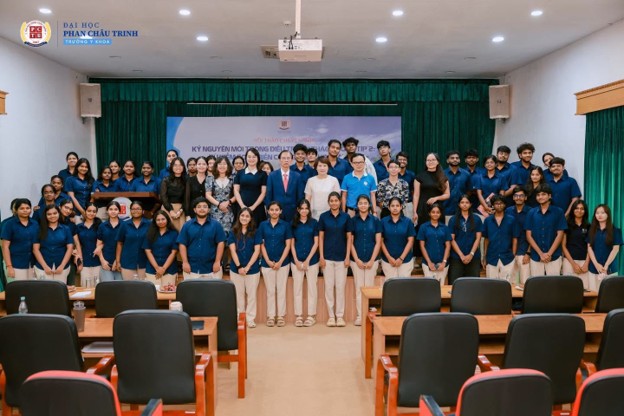
Vietnam currently has more than 7 million people with diabetes, but only about 1/3 of patients are diagnosed and achieve treatment targets. This situation poses a great challenge for the health sector in early detection, disease control and prevention of dangerous complications on the heart, kidneys, eyes and nerves. In this context, the professional seminar “A new era in the treatment of type 2 diabetes: From complication control to regenerative medicine” organized by Phan Chau Trinh University on the afternoon of June 25 attracted more than 100 doctors, medical staff and students to attend in order to update new trends in modern diabetes treatment.
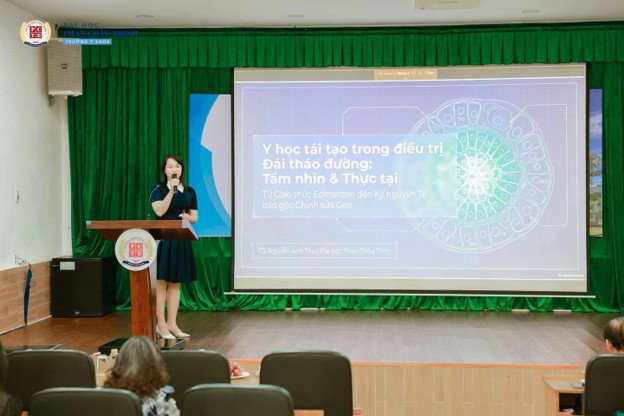
At the beginning of the program, Dr. Nguyen Anh Thu – Research Specialist, Center for Biomedical Research and Application, Phan Chau Trinh University. showcased advances in regenerative medicine in the treatment of diabetes, from the Edmonton protocol to stem cell and gene editing studies. The report shows the potential to restore the body’s natural insulin production function, opening up new prospects for future treatment.
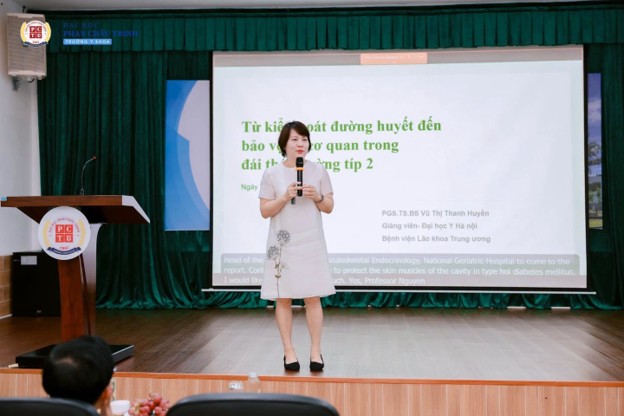
Following the program, PGS.TS.BS. Vu Thi Thanh Huyen – Head of the Department of Musculoskeletal Endocrinology, National Geriatric Hospital, presented updates of modern medicine in the treatment of type 2 diabetes. The report highlights the shift from mere glycemic control to multi-organ protection, while personalizing each treatment.
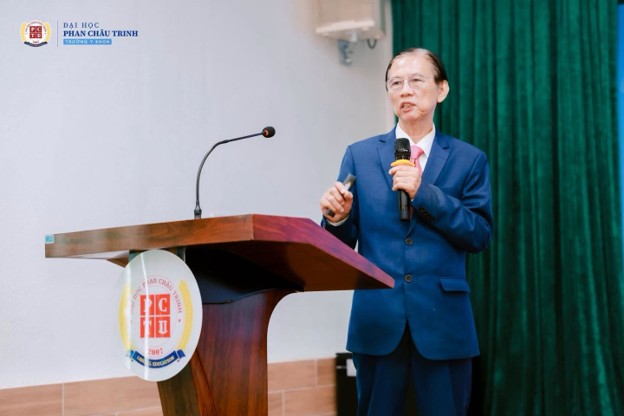
At the end of the workshop, GS.TS.BS. Nguyen Hai Thuy – Senior Lecturer, University of Medicine and Pharmacy, Hue University updated new recommendations in the diagnosis and treatment of heart failure in patients with type 2 diabetes in Southeast Asia. The report showed a close connection between these two diseases when more than 50% of heart failure patients in Southeast Asia have diabetes sugar and about 12% of cases are detected with new-onset diabetes. These figures underscore the importance of early screening and comprehensive access to treatment to reduce the risk of cardiovascular complications in patients.
The program also recorded many lively professional exchanges between the reporters and attendees around new challenges and trends in the treatment of diabetes today.
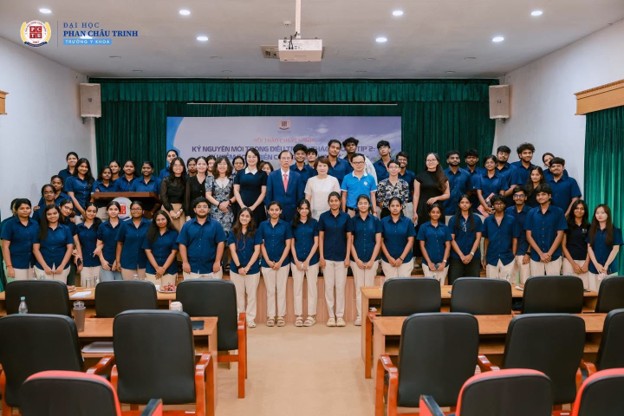
Not only bringing up-to-date professional knowledge, the seminar also creates opportunities for PCTU’s health students to access new advances in modern medicine, better understand the role of scientific research in clinical practice and patient care. This is also an opportunity for learners to connect with leading experts, nurture academic thinking and the spirit of lifelong learning in the field of medicine.